Column · @manuelyrvh655
Why a Pizza Restaurant Is a Go-To Choice for Busy Weeknights
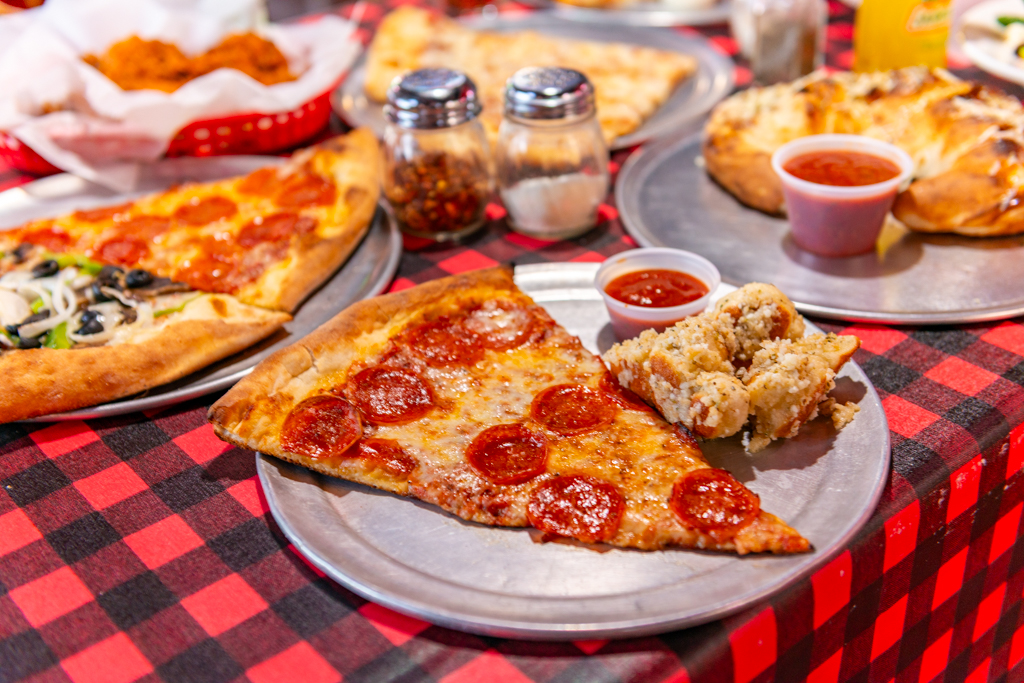


Weeknight dinner has a way of exposing the gap between good intentions and real life. At 5:30 p.m., people are still finishing work, commuting home, helping with homework, shuttling kids to practice, or trying to reset after a long day. The idea of shopping, prepping, cooking, and cleaning can feel reasonable on Sunday and nearly impossible by Wednesday. That is where the neighborhood pizza restaurant earns its place, not as a lazy fallback, but as a practical answer to a genuine scheduling problem.
There is a reason pizza has held its ground for decades while plenty of food trends come and go. It travels well, satisfies different appetites, scales for one person or a full household, and asks very little of the person ordering it. For busy households, that combination matters more than culinary novelty. Dinner is not just about food. It is also about time, energy, mood, and the ability to get through the evening without creating more stress than the meal solves.
Anyone who has managed family dinners through school nights, late meetings, or crowded calendars knows this firsthand. You are not always chasing the perfect meal. Often, you are trying to land on a dinner that arrives on time, makes everyone reasonably happy, and does not leave the kitchen looking like a storm passed through it. A pizza restaurant meets that brief better than almost any other option.
It solves the hardest part of weeknight cooking, the clock
Most weeknight food decisions are time decisions disguised as menu decisions. The real question is not "What sounds good?" It is "What can happen within the next 30 to 45 minutes without disrupting everything else?"
Cooking at home can absolutely be worth it, but even simple meals carry hidden time costs. There is the refrigerator inventory check, the missing ingredient problem, the chopping, the stovetop attention, and the cleanup. A supposedly quick pasta dinner can still absorb an hour once you include all the small tasks around it. A pizza restaurant removes nearly all of that friction. The ordering process is short, the wait is usually predictable, and the food requires almost no assembly once it arrives.
That predictability matters. Families run better when dinner is one less uncertainty. If pickup takes 20 minutes, that can be folded into the drive home from soccer practice. If delivery https://anotepad.com/notes/ntwbfp3x tends to arrive in 35 minutes, that gives enough time to finish an email, get a child showered, or reset the house before the next day. People do not just buy pizza for the food. They buy back a piece of the evening.
In many homes, dinner timing also affects bedtime, homework quality, and stress levels. A meal that shows up late or requires extra work can shift the whole rhythm of the night. When a pizza restaurant is consistent, it becomes more than a convenience. It becomes part of how people keep their household moving.
Pizza works because it fits different people at once
One of the least appreciated strengths of pizza is its flexibility. Other takeout categories can be excellent, but they often force a family into a narrower lane. One person wants something mild, another wants heat, someone else is vegetarian, and a child only wants plain food with no visible herbs or onions. A pizza restaurant is built for that kind of mixed table.
Half-and-half pies, different crust styles, simple toppings, heavier toppings, salad on the side, pasta for the person not in a pizza mood, maybe wings for the high appetite teenager, it all allows one order to satisfy a lot of preferences without turning dinner into a negotiation marathon. That is not a small advantage. The family that can settle dinner in one call or one app session is already ahead.
This is especially useful in households where adults and children are eating at slightly different times. Pizza holds up reasonably well if one person eats right away and another grabs a slice after practice or after a late meeting. Plenty of meals decline fast once they leave the kitchen. Pizza is forgiving. That quality makes it well suited to real homes, where dinner is often staggered and rarely as synchronized as people imagine.
Even for adults without children, the same logic applies. Roommates, partners with different work hours, or friends trying to feed a group after a long day benefit from a meal that does not require everyone to commit to one flavor profile. A good pizza restaurant offers enough variety to keep the peace while still making ordering simple.
The cost is often easier to justify than people think
Takeout has become expensive, and anyone who orders regularly knows how quickly service fees, tips, and add-ons can inflate the final total. Still, pizza often remains one of the better values in the weeknight rotation, especially when feeding more than one person.
A single large pizza can stretch across several appetites in a way that many individual entrees cannot. The cost per person tends to compare favorably with other delivery options, particularly for families. Add a salad or one side and dinner is covered without the feeling that every person needed a separate order. For households trying to keep spending under control, that matters.
There is also a second layer to the value equation, and it is easy to overlook. Home cooking is not free just because it happens at home. Ingredients cost money, and so do the extras people forget to count, such as cooking oil, pantry staples, foil, parchment, dish soap, and the time spent shopping. If you have ever gone to the store for one dinner and somehow spent far more than planned, you know that "I’ll just cook something quick" can become an expensive sentence.
A pizza restaurant also reduces food waste in a way many meal plans do not. Leftover slices are useful. They can become lunch, a late-night bite, or the emergency meal for the next day when schedules go sideways again. Not every takeout dish reheats gracefully, and not every homemade meal gets eaten in full. Pizza usually has a clear second life, which improves its actual value.
That said, the economics do shift depending on household size and ordering habits. If one person orders specialty pizzas, desserts, drinks, and multiple sides every time, the bill can climb fast. The smart play on busy weeknights is not to turn the order into a feast. It is to use the pizza restaurant for what it does best, efficient, satisfying dinner with minimal waste and predictable cost.
It gives tired people an easy win
By the middle of the week, decision fatigue is real. People have already made dozens of choices before dinner even comes up. What to answer in meetings, what to prioritize, what to pick up, who needs to be where, what forms need signing, what messages need replies. Cooking requires more decisions than most people realize, and when energy is low, even basic choices can feel heavier than they should.
Pizza cuts through that mental load. The order is familiar, the process is short, and the payoff is immediate. That is part of why a pizza restaurant can feel so reliable. It is one of the few dinner options that asks almost nothing from a depleted brain.
There is also an emotional component. Familiar food has value on hard days. A warm box on the counter, a smell everyone recognizes, and a meal that does not need explanation can steady the mood of a house. That sounds small until you have lived through enough chaotic evenings to understand the difference between a dinner that settles people and one that adds another point of friction.
Parents especially notice this. Children who resist unfamiliar meals often accept pizza without drama. Adults who do not have the energy to cook still get something hot and satisfying. On nights when everyone is running low, a pizza restaurant can take the edge off the evening in a way that is more meaningful than the ingredients list alone would suggest.
A good pizza restaurant understands speed without treating quality as optional
Not all convenience food is equal. People return to a pizza restaurant because it is fast, but they stay loyal because it is consistently good. Speed gets attention. Quality earns habit.
That quality does not have to mean elaborate or trendy. In fact, many of the best weeknight pizza experiences are rooted in basics done well, dough with a proper chew, sauce that tastes balanced rather than sweet and flat, cheese used with some restraint, and toppings that feel intentional instead of piled on to disguise mediocrity. The details matter because weeknight customers are not looking for a performance. They want to know what they are getting and trust that it will deliver.
Restaurants that do this well also tend to understand operational discipline. They know how to stage orders, manage ovens, package food so it arrives in good shape, and staff busy windows without letting standards collapse. That professionalism is part of the appeal. A strong pizza restaurant does not merely sell pizza. It sells reliability.
If you have ever picked up from a place where the staff remembers your usual order, where the timing is close to what they promised, and where the pie in the box looks like the one you hoped for, you know how quickly that place becomes part of your routine. On weeknights, trust is a form of service.
Pickup and delivery both fit the weeknight puzzle
Part of pizza’s staying power comes from the fact that it works under different household conditions. Some evenings, delivery is the obvious answer because no one wants to leave the house again. Other nights, pickup is faster, cheaper, and easier, especially if the restaurant sits between work and home or near school and sports fields.
A pizza restaurant tends to support both models well. Unlike some foods that suffer badly during transport, pizza is naturally suited to boxes, stacking, and short travel windows. That operational match between the product and the way people buy it is a big advantage. It means fewer disappointments and fewer compromises.
Pickup also offers a small but important psychological benefit. It can feel efficient rather than indulgent. Many people are comfortable ordering takeout if they can grab it on an existing route. That makes pizza an easy addition to routines people already have. A parent can pick up dinner after school pickup. An office worker can stop by on the drive home. A couple can place an order while leaving the gym and walk in as it comes out of the oven.
Delivery, meanwhile, serves a different kind of need. It is not only for laziness, as people sometimes joke. It is often the better choice when a household is truly pinned down. A baby is asleep. A teenager has not come back with the car. Weather is bad. One adult is home alone with children. Those are exactly the moments when a pizza restaurant feels indispensable rather than casual.
It suits more than family life
The phrase "busy weeknight" often brings families to mind, but the appeal of a pizza restaurant reaches well beyond that setting. Single professionals lean on pizza because it avoids both overcooking and overcommitting. Couples use it when both partners are stretched thin. College students rely on it because it is social, shareable, and budget-friendly. Caregivers appreciate it because it feeds multiple people without requiring constant kitchen attention.
There is a quiet practicality to pizza that makes it useful across age groups and living situations. It can anchor a low-effort dinner, a casual catch-up with friends, or a quick meal before an evening obligation. It is just formal enough to feel like a real dinner and just relaxed enough to work when everyone is tired.
That middle ground is hard to find. Some foods feel too snack-like for dinner. Others feel too heavy, too expensive, or too involved. A pizza restaurant sits in the sweet spot between ease and substance. That balance is one reason it remains such a dependable answer on ordinary nights.
The best orders are usually the simplest ones
There is a tendency, especially when ordering takeout, to maximize the experience by adding extras. Sometimes that is worth it. More often, it pushes a straightforward dinner into a bloated, expensive event. The most effective weeknight pizza orders usually show a little restraint.
A well-chosen pizza or two, perhaps one side that adds freshness or variety, and enough portions for lunch the next day is often the winning formula. Once the order becomes too customized or overloaded with items, the cost rises, the wait can lengthen, and the easy charm of the meal starts to disappear.
This is one place where experience pays off. Regular customers learn the difference between a Friday night splurge order and a Tuesday survival order. They know which pizzas travel best, which crusts reheat well, and which side dishes are worth adding. They also know that a reliable pizza restaurant often shines most brightly on the basics.
There are limits, and they are worth acknowledging
Pizza is not a perfect answer to every weeknight. There are households managing strict dietary needs, people who want lighter meals, and weeks when takeout spending needs a hard reset. Some pizza restaurants handle gluten-free, dairy-free, or lower-sodium needs better than others, but not every menu can serve those customers well enough. In those cases, pizza may be occasional rather than routine.
There is also the quality gap between restaurants. A good local pizza restaurant can be one of the best values in town. A poorly run one can be late, sloppy, and oddly expensive. Not every slice is a smart choice just because it is convenient. The go-to places are the ones that combine speed with consistency.
For some people, repetition becomes the issue. If pizza shows up too often, it can lose some of its comfort and start to feel like default eating rather than intentional eating. The answer is not to abandon it, but to use it wisely, rotate styles, and keep it in the lane where it performs best. Pizza works because it removes pressure. It stops working if it becomes the only play in the book.
What makes a pizza restaurant truly dependable
The restaurants that become weeknight staples usually share a few traits. Their menus are broad enough to cover different moods but not so broad that execution slips. Their ordering systems are straightforward. Their quoted times are realistic. Their staff moves with competence during rush periods. Most importantly, they understand that consistency matters more than novelty for regular customers.
A pizza restaurant can win a household over with one excellent meal, but it keeps that loyalty by being good on ordinary nights. That means the crust is right even when the kitchen is slammed. The toppings are distributed well. The boxes are labeled clearly if there are multiple pies. The order is correct. Those details sound modest until you compare them with restaurants that miss them.
People build habits around businesses that respect their time. On busy weeknights, that respect shows up in small operational choices. A smooth pickup shelf. A staff member who acknowledges customers quickly. Packaging that keeps the food in shape. An honest wait estimate. Those are the signs of a place that understands its role in people’s lives.
Why it keeps winning the weeknight test
Dinner on a busy weeknight is rarely about aspiration. It is about matching the meal to the moment. A pizza restaurant wins because it handles the realities people actually face, limited time, uneven schedules, mixed preferences, low energy, and a reasonable budget.
It offers enough comfort to feel rewarding and enough practicality to feel responsible. It can feed two people without much waste or six people without much complication. It supports pickup, delivery, leftovers, and customization. It gives tired households a way to eat well enough without spending the whole evening making it happen.
That combination is harder to replace than it looks. Plenty of foods are delicious. Fewer foods are this useful. And usefulness, especially in the middle of a packed week, has its own kind of excellence.
The next time dinner feels like one more problem to solve before the night can move on, the appeal of a pizza restaurant will make perfect sense. It is not simply familiar. It is functional in the best possible way, steady, flexible, and ready for real life.